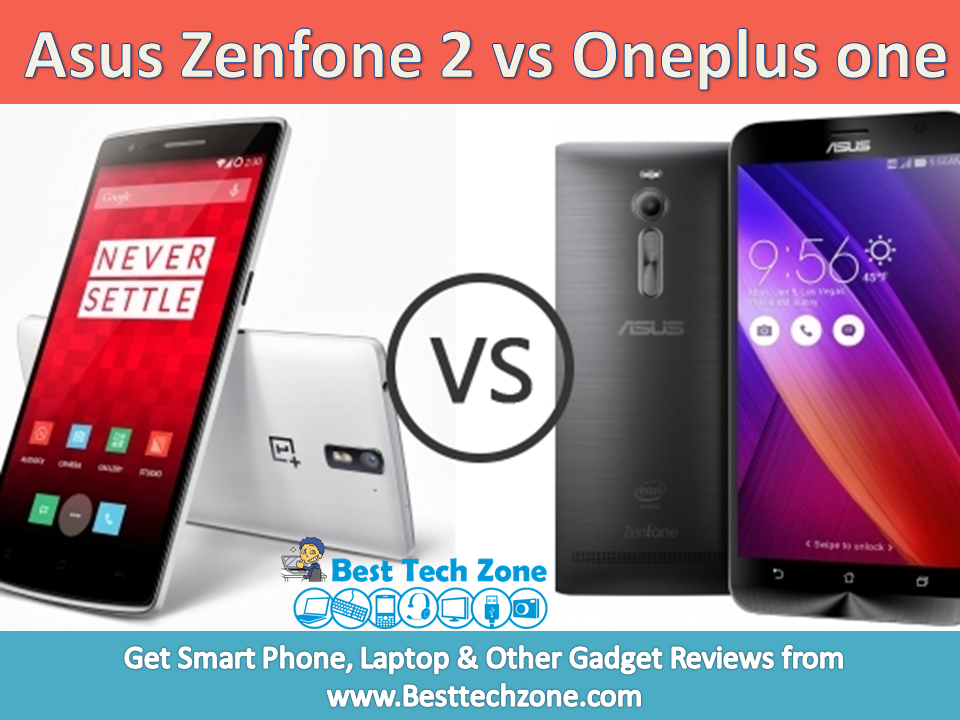
Asus Zenfone 2 vs Oneplus One

Asus Zenfone 2 and Oneplus One are the new flagships of different smartphone manufacturing companies. Both are having amazing features and specifications at their price range. Are you not able to choose which is the best to buy? Do you want to compare Asus Zenfone 2 vs Oneplus One?

Don’t worry friends, for the sake of you people here we are giving detailed comparison of Asus Zenfone 2 and Oneplus One. Let’s check out Asus Zenfone 2 vs Oneplus One Comparison  and find out which one is the best for you.

Asus Zenfone 2 vs Oneplus One

Design & display

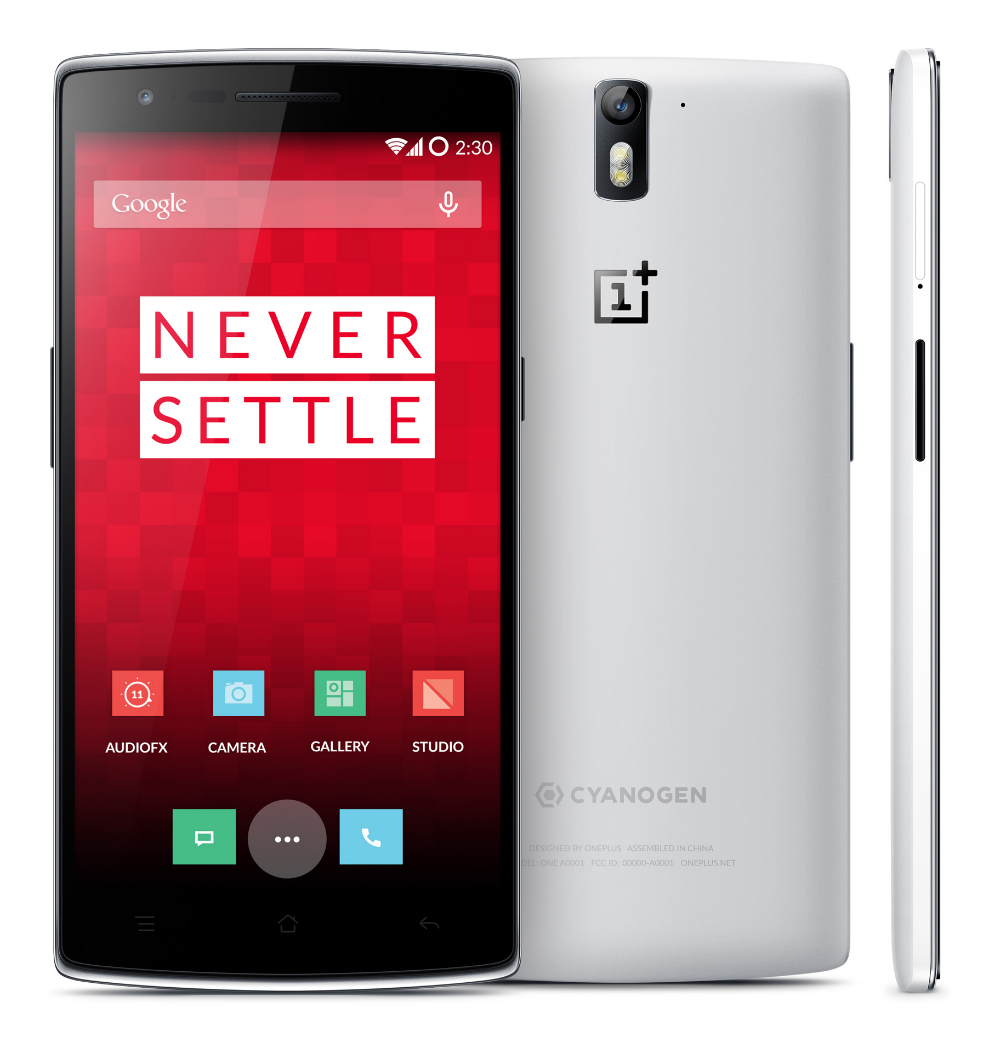
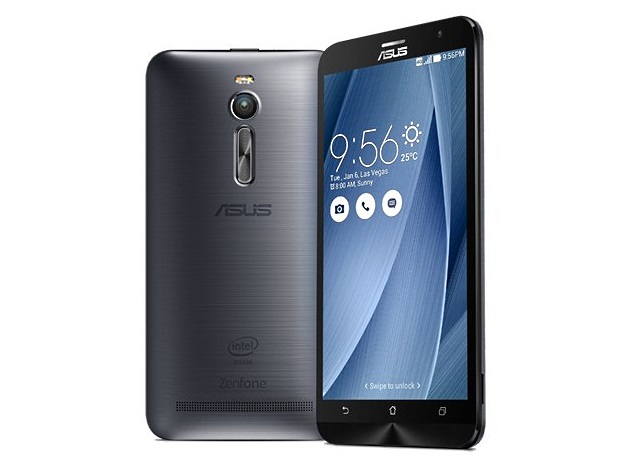
The Asus Zenfone 2 has a 5.5-inch full HD screen with IPS+ and Corning Gorilla Glass 3, which is the same as the OnePlus One. Where design goes, the Asus Zenfone 2 has brushed metal finish in the back, and curved case. The smartphone is 3.9 mm thick at the edges. Asus also says the Zenfone 2 has a “72% screen-to-body ratio that provides a maximised viewing experience”. Like LG, Asus has moved the volume-control key on the rear of the smartphone, but the power button is strangely on top. The Zenfone 2 will come in five colours Black, Gold, Gray, Red and White.

The OnePlus One also has a full HD 5.5-inch screen with LTPS IPS with Corning Gorilla Glass 3. The screen has TOL (Touch On Lens) technology, which removes the distance between the touch sensor and the display panel and thus allows the screen to respond instantly to a user’s touch. OnePlus One comes in two colours silk white and sandstone black.
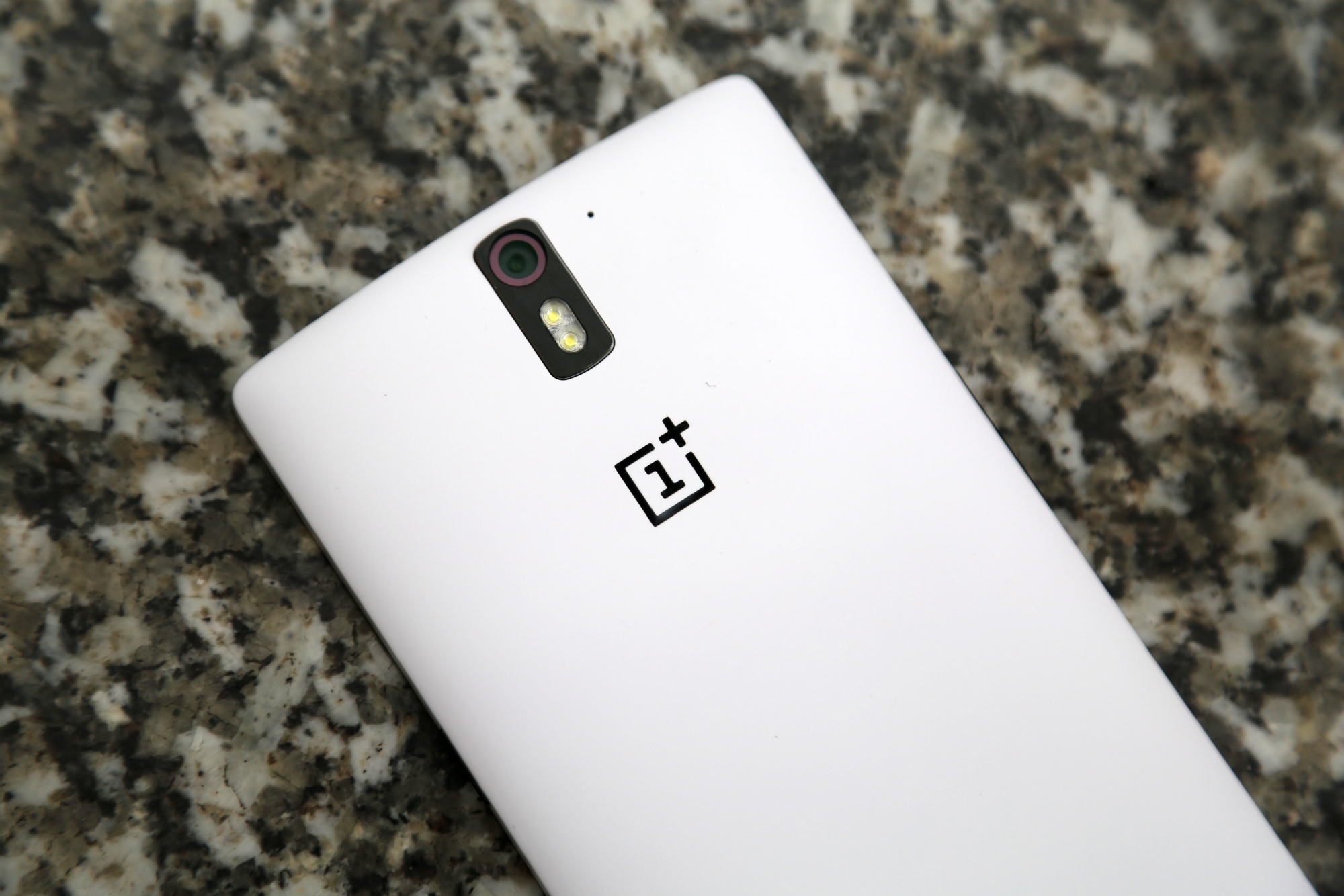
The 64GB black OnePlus One has a matte finish granite-like Moonstone rear panel which really makes the smartphone stand-out. In terms of design, the smartphone is 8.9 mm thick and weighs 162g and the power button is on the left, while the volume buttons are on the right, just below the SIM slot. It’s a more familiar design, which some users might prefer.

Processor, RAM, Storage:

The OnePlus One smartphone has Qualcomm Snapdragon 801 processor with 2.5GHz Quad-core and comes with 3GB RAM and 64GB internal storage and no external slot.

The Asus Zenfone 2 on the other hand has a 64-bit Intel Atom Z3580 processor clocked at 2.3GHz. It has 4GB RAM, which explains the considerable interest in the smartphone and like the OnePlus One, there is a 64 GB version of this smartphone as well.

Camera:

The OnePlus One has a 13MP rear camera and a 5 megapixel front camera. The rear camera supports 4K video recording with slow-motion. Where the camera’s performance goes, we had seen its pretty fast and there is a burst mode that lets you click up to 20 frames in one go. The results we got with the OnePlus were quite good with great details, even in macro shots.
With Asus Zenfone 2, the company has a given it a 13MP rear-facing and 5MP front-facing. Both have PixelMaster cameras which Asus claims offer enhancements like Low Light mode on both the rear and front cameras, 400% brighter photos and videos at night.

Asus says the Zenfone 2 has “blue glass infrared filter” which makes capture backlit scenes very easy and that there is zero-shutter lag on the camera. Asus has tweaked the camera to allow users to tinker with ISO settings, aperture, etc for those who want the DSLR-like experience.

Battery:

Asus Zenfone 2 has a 3000mAh battery and the company claims that this has a full day’s life on one single charge. The Zenfone 2 also comes with BoostMaster technology which enables twice as fast charging, letting users charge ZenFone 2 from from 0% to 60% in just 39 minutes, says the company.

In case of the OnePlus One, the battery is a 3100 mAh battery and in our review we saw that the smartphone easily lasted a whole day. So the Asus Zenfone 2 will have to life up to its claims of a full-day battery, if it plans to compete with OnePlus One.

OS and connectivity options:

Asus Zenfone 2 has an Android 5.0 Lollipop with ZenUI skin running on top of it. If you want the latest version of Android, Zenfone is the device to consider, although the ZenUI might not be something you want on Android Lollipop.

The OnePlus One runs Cyanogen 11S based on Android 4.4. OnePlus has released a hard to master update for its new Oxygen OS based on Android 5.0. With Oxygen OS, you get features like off-screen gestures, new to a pure Android phone. It gives you customisation likes the old OS, although installing the OS is a tedious process.

In terms of connectivity, the One Plus One supports 4G with nano and micro SIM trays in box, which is great. However it’s not a Dual-SIM phone. The OnePlus One supports Wi-Fi 802.11 b/g/n/ac, Bluetooth 4.0 and NFC as well as USB OTG that allows users to directly plug in a flash drive to your phone.

The Asus Zenfone 2 has a support for Bluetooth 4.0 with A2DP, Wi-Fi Direct, Wi-Fi hotspot (tethering) and NFC support. Unlike OnePlus One, Zenfone 2 is a dual-SIM smartphone with Dual SIM Dual Active (DSDA) technology which lets you take calls from a second SIM even if you are on the first SIM. Zenfone also supports USB OTG.

PRICE RS.19,999 Rs.21,998
OS Android OS,v5.0 (Lollipop) Android OS, v4.4.2 (KitKat), upgradable to v4.4.4 (KitKat)
CPU Quad-core 2.3 GHz Quad-core 2.5 GHz Krait 400
RAM 4 GB RAM 3 GB RAM
SCREEN 5.5 inches (~70.1% screen-to-body ratio) 5.5 inches (~71.9% screen-to-body ratio)
DISPLAY 1080 x 1920 pixels (~403 ppi pixel density) 1080 x 1920 pixels (~401 ppi pixel density)
SIM Dual SIM (Micro-SIM, dual stand-by, dual call) Single SIM (Micro-SIM)
CAMERA Rear Camera: 13 MP, Front Camera: 5 MP, LED Flash: Yes Rear Camera: 13 MP, Front Camera: 5 MP, LED Flash: Yes
MEMORY Internal Storage 32 GB, microSD Expandable Upto 64 GB Internal Storage 64 GB
BATTERY Non-removable Li-Po 3000 mAh battery Non-removable Li-Po 3100 mAh battery
OTHERS 4G,3G, Bluetooth, WiFi, GPS 4G, 3G, Bluetooth, WiFi, GPS


verdict

At last few honest words, Asus Zenfone 2 vs Oneplus One Comparison saying that  both smartphone hidden tones of features according to their price range. Now it’s on you what you want.
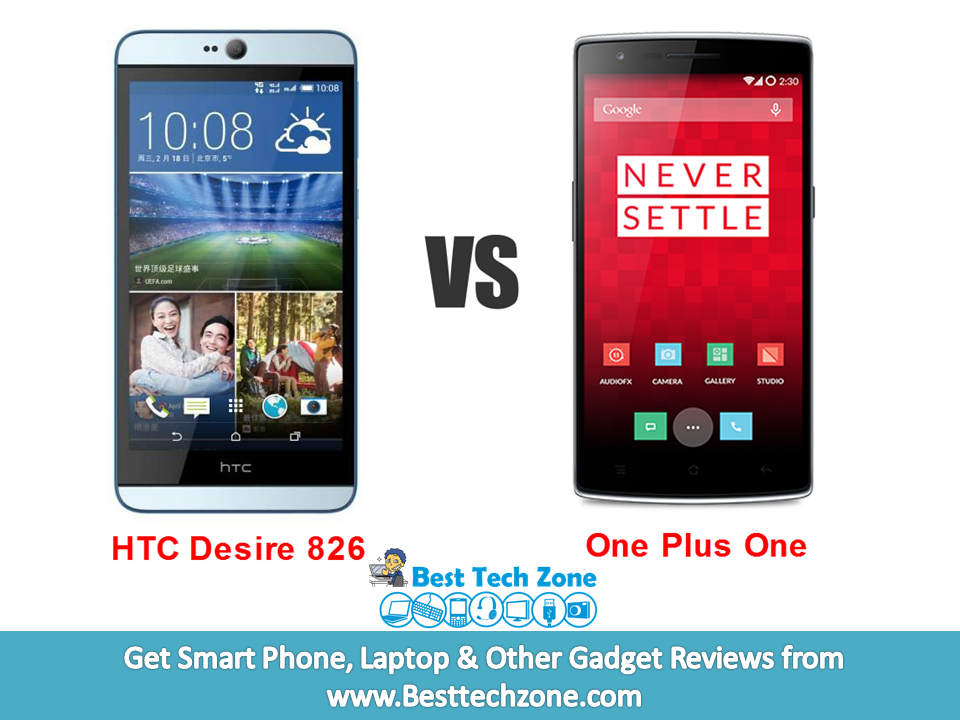
HTC Desire 826 vs OnePlus One comparison

HTC Desire 826 and OnePlus One are the new flagships of different smartphone manufacturing companies. Both are having amazing features and specifications at their price range. Are you not able to choose which is the best to buy? Do you want to compare HTC Desire 826 vs OnePlus One?

Don’t worry friends, for the sake of you people here we are giving detailed comparison of HTC Desire 826 and OnePlus One. Let’s check out HTC Desire 826 vs OnePlus One Comparison  and find out which one is the best for you.

HTC Desire 826 vs OnePlus One

Design & display

The OnePlus One 64GB will make you oggle at the 5.5-inch IPS LCD multi touch panel which offers pristine image quality, brilliant off-axis angles and super rich colors with a full HD resolution of 1,080 x 1,920 pixels and a high pixel density of 401 ppi. The display is secured against scratches and smudges with the Corning Gorilla Glass 3.0. The 8.9mm thick outfit has a weight of just 162 grams so that you can lug around with it easily. The dull leather like finish at the back enhances its appearance.

HTC Desire 826 sports a 5.5-inch Super LCD3 capacitive touchscreen with Full HD display (1920 x 1080 pixels) that turns out a great pixel density of 401 PPI just like OnePlus One.

HTC Desire 826 vs OnePlus One

Hardware and OS

HTC Desire 826 carries a 64-bit Qualcomm MSM8939 Snapdragon 615 chipset bearing a 1.7GHz Cortex A-53 quad-core processor and 1.0GHz Cortex A-53 quad-core processor. It combines with 2GB DDR3 RAM and Adreno 405 GPU to ensure smooth and fast performance. It runs on the latest Android v5.0 Lollipop OS.

Under the hood, OnePlus One carries a mighty Qualcomm Snapdragon SoC bearing a 2.5GHz quad-core processor and paired with an equally strong 3GB RAM. This gives you the opportunity to run all kinds of powerful applications simultaneously without facing any lag. Rich graphics is ensured by Adreno 330 GPU. It runs Android v4.4 KitKat OS out of the box.

Camera and Storage

The HTC Desire 826 is armed with a 13MP autofocus snapper with LED flash, face detection, HDR, geo-tagging, digital image stabilization and touch focus and ability to shoot full HD videos at 30fps and slow-mo 720p ones at 60fps. At the front, there is a 4MP ultra pixels camera which has 1/3” sensor size and 2?m pixel size.
The smartphone has 16GB of internal memory which is further expandable up to 128GB.
HTC Desire 826 vs OnePlus One
When coming to the OnePlus One 64GB, it features a stunning 13MP autofocus rear camera inclusive of dual LED flash, HDR and Exmor R CMOS image sensor so that you can capture razor sharp pictures even in the dark. You can also shoot 2160p videos at 30fps, 1080p at 60fps and 720p videos at 120fps. It is complemented by a brilliant 5MP front shooter. As the name indicates, it has a massive 64GB of onboard storage which is non-expandable.

Battery and Connectivity

The HTC Desire 826 sips juice from a sealed 2,600mAh Li-Po battery and sports high end connectivity features like 4G LTE Cat4, OTA Sync, GPS/A-GPS, GLONASS, DLNA, Bluetooth v4.0, tethering, Mobile hotspot, USB port and Wi-Fi Direct. It has stereo speakers and supports BoomSound and Dolby software.

Where as the OnePlus One is fuelled by a sealed 3,100mAh Li-Po battery. The OnePlus One 64GB sports connectivity features such as 4G (specific brands), 3G, GLONASS, WiFi, USB port, GPS/AGPS, Bluetooth v4.0 with A2DP and NFC.
PRICE Rs.22,799   Rs.21,998
OS Android OS, v5.0.1 (Lollipop) Android OS, v4.4.2 (KitKat), upgradable to v4.4.4 (KitKat)
CPU Quad-core 1.7 GHz Cortex-A53 & quad-core 1.0 GHz Cortex-A53 Quad-core 2.5 GHz Krait 400
RAM 2 GB RAM 3 GB RAM
SCREEN 5.5 inches (~68.1% screen-to-body ratio) 5.5 inches (~71.9% screen-to-body ratio)
DISPLAY 1080 x 1920 pixels (~401 ppi pixel density) 1080 x 1920 pixels (~401 ppi pixel density)
SIM Dual SIM (Nano-SIM, dual stand-by) Single SIM (Micro-SIM)
CAMERA Rear Camera: 13 MP, Front Camera: 4 MP, LED Flash: Yes Rear Camera: 13 MP, Front Camera: 5 MP, LED Flash: Yes
MEMORY Internal Storage 16 GB, microSD upto 128 GB Internal Storage 64 GB
BATTERY Non-removable Li-Po 2600 mAh battery Non-removable Li-Po 3100 mAh battery
OTHERS 4G, 3G, Bluetooth 4.1, WiFi, GPS 4G, 3G, Bluetooth, WiFi, GPS


Verdict

Coming to the final call, we can say that HTC offers all-round performance and a trust factor as well, which is very important while spending money around 25k so, the HTC Desire 826 offers everything we desire in a great smartphone and hence, as a better overall package it is the winner in HTC Desire 826 vs OnePlus One comparison. However, One Plus One with amazing performance and great features is not a bad choice either.

ALSO SEE

Oneplus One Vs Xiaomi mi4

Oneplus One Vs Xiaomi mi4

Design

The OnePlus One (Review | Photos) is larger than the Xiaomi Mi 4 (Review | Photos), at 152.9×75.9mm compared to 139.2×68.5mm. Both phones are 8.9mm thick, but the OnePlus One is also heavier. The Mi 4 is therefore easier to hold and use in one hand. More importantly, the One has a very rough matte texture on the sides and rear, which a number of customers have found unpleasant. The Mi 4 has plastic front and rear panels but a metal frame with bevelled edges. While Xiaomi’s design has hints of Apple and Samsung, the OnePlus One definitely looks original. Also, while the Mi 4 is only available in white in India, the One is only available in black.

Display

The OnePlus One has a 5.5-inch screen while the Mi 4’s measures 5 inches diagonally. Both have a common resolution of 1080×1920, which means the Mi 4 is quite a bit sharper. Both are comparable in terms of screen quality and viewing angles.

Oneplus One Vs Xiaomi mi4

Hardware

Both phones use the same SoC, Qualcomm’s Snapdragon 801, which has four CPU cores running at 2.5GHz and an Adreno 330 GPU. Both phones also have 3GB of RAM. The OnePlus One supports LTE on Indian bands while the Mi 4 does not.

software

This is easily the biggest differentiator between two very evenly matched competitors. The OnePlus One made a name for itself based on the promised Cyanogen OS, which due to legal issues will not materialise for Indian buyers. Current devices being sold still ship with Cyanogen OS, but updates will not be released and users will have to flash their phones when OnePlus’ in-house Oxygen OS is released. It is not yet known how much of Cyanogen’s power and customisability will be carried over to Oxygen OS. Cyanogen OS definitely looks rough, but has dozens of useful little tweaks that will be difficult to live without once you’re used to them.

Oneplus One Vs Xiaomi mi4

On the other hand, Xiaomi’s approach has always been to reduce complexity and make things look attractive, which is why the emphasis is on slick packaging that borrows heavily from Apple’s design handbook. Xiaomi’s MIUI dispenses with the Android app drawer and so all icons and widgets live on the homescreens.

Both software ecosystems run on top of Android 4.4 and offer loads of customisation in the form of downloadable themes.

Cameras

Both, the Xiaomi Mi 4 and the OnePlus One have 13-megapixel rear cameras capable of recording 4K video at 30fps. In our tests, we found both performed well in daylight but had issues in low-light conditions. The Mi 4 generally produced photos with brighter, more vibrant colours while the OnePlus One produced duller colours but surfaced more detail. The two trade blows evenly, though we preferred the more natural tones of the OnePlus One.

In terms of the camera apps, Xiaomi has done a good job integrating multiple functions and making options easy to get to. Once again, if simplicity and usability are more important, this is the way to go.

Oneplus One Vs Xiaomi mi4

Storage

Interestingly, while both are available internationally in 16GB and 64GB variants, Xiaomi has launched only the 16GB version of the Mi 4 here in India (so far) while OnePlus only offers the 64GB One. Neither device has a microSD card slot for storage expansion.

PRICE Rs.21,998   Oneplus one Vs Xiaomi mi4 RS.12,999  
OS Android OS, v4.4.2 (KitKat), upgradable to v4.4.4 (KitKat) Android OS, v4.4.3 (KitKat)
CPU Quad-core 2.5 GHz Krait 400 Quad-core 2.5 GHz Krait 400
RAM 3 GB RAM 3 GB RAM
SCREEN 5.5 inches (~71.9% screen-to-body ratio) 5.0 inches (~72.3% screen-to-body ratio)
DISPLAY 1080 x 1920 pixels (~401 ppi pixel density) 1080 x 1920 pixels (~441 ppi pixel density)
SIM Single SIM (Micro-SIM) Single SIM (Micro-SIM)
CAMERA Rear Camera: 13 MP, Front Camera: 5 MP, LED Flash: Yes Rear Camera: 13 MP, Front Camera: 8 MP, LED Flash: Yes
MEMORY Internal Storage 64 GB Internal Storage 16 GB
BATTERY Non-removable Li-Po 3100 mAh battery Non-removable Li-Ion 3080 mAh battery
OTHERS 4G, 3G, Bluetooth, WiFi, GPS 4G, 3G, Bluetooth, WiFi, GPS


Which One id better ?

In all honesty, it is a tight call between the OnePlus One and the Xiaomi Mi 4. In terms of core hardware functionality, the Mi 4 comes out on top in terms of display quality, camera quality and build quality. However, if you are looking at the complete package, then the OnePlus One is the one to go for as it adds 4G support, and has significantly more memory. The OnePlus One is also likely to get Android updates faster and in general usage it feels like the faster phone.

But at the same time, the One Plus One also costs Rs.2,000 extra.

If you do not mind the limited memory and the omission of 4G support then the Mi 4 is the better phone. But if you need 4G and is willing to spend Rs.2,000 more for it, One Plus One is the phone for you.


Also See