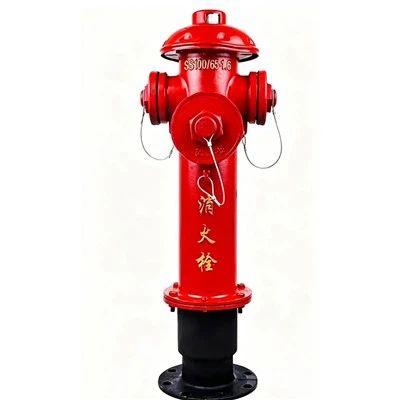
As a fire hydrant supplier, I’ve witnessed firsthand the critical role these fixtures play in safeguarding lives and property. Fire hydrants are not just simple infrastructure; they are powerful tools in the fight against fires that require careful handling and proper safety measures to ensure their effectiveness. In this blog, I’ll share essential safety precautions that should be taken when using a fire hydrant, whether you’re a firefighter, a maintenance worker, or a concerned citizen. Fire Hydrant
Before Using a Fire Hydrant
Inspection and Maintenance
Before activating a fire hydrant, a thorough inspection is paramount. Regular maintenance checks are essential to ensure the hydrant is in good working condition. Look for visible signs of damage such as leaks, broken valves, or rust. A damaged hydrant can not only fail when needed most but can also pose safety hazards to users and bystanders.
As a supplier, I strongly recommend routine maintenance schedules. For instance, test the hydrant’s flow and pressure annually to confirm its performance. This not only ensures immediate safety but also extends the hydrant’s lifespan. If any issues are detected during the inspection, refrain from using the hydrant and report the problem to the appropriate authorities or maintenance teams.
Clear the Area
Clear the area around the fire hydrant of any obstructions. Debris, vehicles, or illicitly parked cars can impede access and slow down the response time during a fire emergency. In the worst – case scenario, they can prevent firefighters from effectively connecting hoses and accessing water.
Educate the community about the importance of keeping fire hydrants clear. This can be achieved through local advertisements, community meetings, or even school programs. As a responsible citizen, you own the duty to ensure that fire hydrants are easily accessible in case of an emergency. It’s a collective effort to maintain a safe environment.
Check for Traffic Safety
When using a fire hydrant in a street or high – traffic area, take traffic safety into account. Set up proper traffic control measures such as cones, barriers, or warning signs. This reduces the risk of collisions between vehicles and firefighters or between vehicles and the hydrant itself.
For example, if a fire hydrant is located near a busy intersection, make sure that traffic flow is well – managed during the operation. Notify local law enforcement if necessary to assist with traffic control. This ensures the safety of everyone involved in the process, including firefighters, motorists, and pedestrians.
During the Use of a Fire Hydrant
Wear Appropriate Safety Gear
Firefighters and maintenance workers should wear appropriate safety gear when using a fire hydrant. This includes protective helmets, gloves, and safety glasses. The high – pressure water flow from a fire hydrant can cause serious injuries if it comes into contact with unprotected skin or eyes.
Gloves protect hands from sharp edges on the hydrant, as well as potential burns or cuts. Helmets safeguard the head from falling debris or accidental bumps, and safety glasses shield the eyes from water splashes that may contain contaminants.
Follow Proper Opening and Closing Procedures
Opening and closing a fire hydrant is not a simple task; it requires following strict procedures. When opening a fire hydrant, turn the valve slowly to avoid sudden surges in water pressure. A rapid increase in pressure can cause water hammer, a phenomenon that can damage the hydrant, pipes, and connected equipment.
Similarly, when closing the hydrant, turn the valve slowly to prevent water hammer from occurring in reverse. This careful operation not only protects the infrastructure but also reduces the risk of injury to those handling the hydrant.
Monitor Water Pressure
Constantly monitor the water pressure during the use of the fire hydrant. High – pressure water can cause hoses to whip around uncontrollably, posing a significant danger to firefighters and anyone in the vicinity. Use pressure – regulating devices if necessary to maintain a safe and stable water pressure.
If the pressure is too high, it can also lead to damage to the fire – fighting equipment, reducing its effectiveness. On the other hand, if the pressure is too low, it may not provide enough water flow to extinguish the fire. Therefore, maintaining the right pressure is crucial for both safety and efficiency.
After Using a Fire Hydrant
Properly Drain and Secure the Hydrant
After the fire – fighting operation is complete, it’s essential to properly drain the hydrant. Leaving water in the hydrant can lead to freezing in cold weather, which can damage the hydrant and its internal components.
Open the drain valve to allow all the water to escape. Once the hydrant is drained, close all valves securely. This prevents unauthorized use and ensures that the hydrant is ready for the next emergency.
Conduct a Post – Use Inspection
Perform a post – use inspection of the fire hydrant. Check for any new signs of damage or wear that may have occurred during its use. Look for leaks, loose parts, or any other issues that need to be addressed.
Report any findings to the maintenance department immediately. This post – use inspection helps to keep the hydrant in optimal condition and ensures its reliability in future emergencies.
Clean Up the Area
Clean up the area around the fire hydrant after use. Remove any hoses, equipment, or debris that may have been left behind. This not only restores the aesthetic appearance of the area but also ensures the safety of pedestrians and motorists.
A clean and clutter – free area around the fire hydrant makes it easier to conduct future inspections and maintenance, as well as quicker access during emergencies.
Conclusion
Using a fire hydrant safely is a multi – faceted process that requires attention to detail at every stage, from pre – use inspections to post – use clean – up. By following these safety precautions, we can ensure that fire hydrants remain reliable tools in protecting lives and property from the devastating effects of fires.
Storm Drain Grate As a fire hydrant supplier, I’m committed to providing high – quality products and sharing knowledge about their proper and safe use. Our products meet the highest industry standards and are designed for long – term durability and reliability. If you’re in the market for fire hydrants, for either municipal projects, commercial buildings, or industrial facilities, I invite you to reach out for a consultation. We can discuss your specific needs, provide detailed product information, and assist you in making the best choice for your fire – safety requirements.
References
- National Fire Protection Association (NFPA) standards for fire hydrants.
- Local laws and regulations regarding fire hydrant use and maintenance.
- Professional literature on fire – fighting equipment and safety.
Shanxi Yuanhang Machinery Construction Industry and Trade Co., Ltd.
We’re well-known as one of the most experienced fire hydrant manufacturers in China. With a professional production team, we are able to meet the needs of the majority of our customers. Welcome to buy discount fire hydrant in stock here from our factory. Contact us for pricelist and free sample.
Address: Taiyuan City, Shanxi Province
E-mail: anzhiyuan@yhmadeinprc.com.cn
WebSite: https://www.yhmadeinprc.com/
