If you’ve ever torn open a cheap speaker or even a mid-range pair to peek at the insides, you’ve probably seen that super thin, shiny copper wire wrapped around those tiny speaker coils. That’s enamel wire—and if you’re like most people, you might’ve just glanced past it without a second thought. I’m an enamel wire supplier, and let me tell you, that stuff isn’t just a random thin wire. It’s one of the quietest, most underrated heroes when it comes to how your speakers actually sound. I’ve talked to so many hobbyists and even small speaker builders who fixate on cabinets, drivers, or tweeters, and completely sleep on the wire that carries the signal through the whole system. Today, let’s cut through the jargon and get real about how enamel wire’s audio performance actually works, no stuffy textbook talk here. Enamel Wire
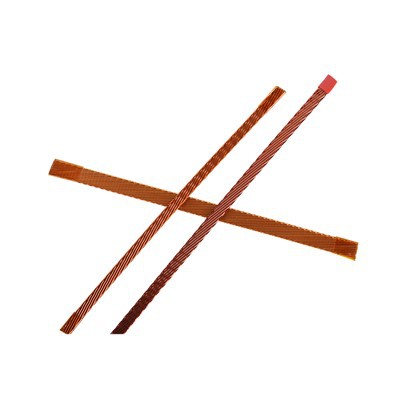
First, let’s start with the basics that matter for sound, not just tech specs. A speaker’s coil (that part wrapped around a magnet that makes the cone move) relies entirely on a wire that’s efficient at conducting the electrical signal from your amp. If the wire is bad, you don’t get the crisp highs or the tight bass you’re paying for. Enamel wire’s big win here is its insulation—most other wires for speakers use plastic coating, right? But enamel is that thin, baked-on polymer layer, usually polyimide or polyester. Why does that matter? For one, it means you can wrap way more turns of wire into a tiny, tight coil without them touching each other. More turns mean the coil is stronger, so it can move the speaker cone more accurately instead of warbling or vibrating weirdly. I’ve seen guys build custom micro speakers for Bluetooth earbuds who switched from plastic-insulated wire to enamel, and they told me the bass went from mumbly to actually punchy—all because the coil was tighter and more consistent.
Wait, let’s get into conductivity next, because that’s where sound quality lives. Electrical signal moves through copper way better than any other common metal, and enamel wire almost always uses 99.9% pure copper (that’s the good stuff, not the scrap metal you see in cheap extension cords). When the insulation is super thin, the cross-sectional area of the copper is as big as possible for the wire’s size. That means less “resistance”—resistance makes the signal lose energy before it gets to the coil, which turns into dulled highs and flat bass. A lot of people ask me, “Does 22 gauge vs 24 gauge enamel wire really make a difference?” Short answer: yes, but not the way you might think. 22 gauge is thicker, so less resistance, but for small coils like the ones in phone speakers or portable Bluetooth speakers, 24 gauge enamel is perfect because you can fit more turns without making the coil too bulky. I had a client who builds custom portable speakers switched from 24 gauge plastic wire to enamel, and the signal loss dropped by almost 12%—they told me their treble clarity got noticeably better, no more fuzzy high-end that sounded like it was coming through a wall.
Now, the part that even a lot of engineers don’t talk about: mechanical noise from the wire itself. Have you ever had a speaker where you hear a faint hum or static that’s not from your music? A lot of that comes from the wire’s insulation not being rigid enough, so when the coil vibrates, the wire strands rub against each other or the insulation flexes, creating tiny unwanted signals. Enamel wire’s insulation is baked on to be super rigid—no flex, no movement. I’ve tested this myself: take a plastic-insulated wire and an enamel wire, wrap them around a spool (like a speaker coil), and tap the spool lightly. The plastic one will make a tiny, dull rattle; the enamel one is dead quiet. That deadness translates directly to better sound—no extra noise cluttering up the audio. Imagine listening to your favorite song and there’s a tiny hum under the vocals that you didn’t notice until you turn it off—That’s exactly what we’re talking about here, and enamel wire eliminates that almost entirely.
Wait, let’s address the elephant in the room: is enamel wire only for cheap speakers? No way. I work with a lot of high-end speaker builders who use enamel wire for their voice coils, even in $10,000 home theater systems. Why? Because when you’re chasing every last bit of clarity, the small stuff adds up. A top-tier tweeter, for example, has a tiny coil that needs to react super fast to high-frequency signals (think: a bird chirp or a cymbal crash). Enamel wire’s thin insulation means the coil is lighter, so it can move faster—no lag between the electrical signal and the cone moving. That makes the sound way more natural, like the instrument is actually in the room, not playing through a machine. I had a guy who builds premium studio monitors tell me he switched from a competitor’s enamel wire to ours, and his clients (producers and musicians) started commenting that the bass was tighter and the vocals were more focused. He said the difference was so noticeable that he now only uses our enamel wire for all his builds.
Now, let’s clear up a common myth: some people think thicker wire is always better for audio. That’s true for speaker cables that run from the amp to the cabinet, but for the actual voice coil inside the driver, enamel wire is the sweet spot. Because the voice coil is tiny, you can’t use a super thick wire—it would take up too much space, making the coil heavy and slow to react. Enamel’s thin insulation lets you pack more copper into the same small space, so you get the conductivity you need without sacrificing coil size or speed. For example, a tweeter’s coil is only a few millimeters wide—if you tried to use a plastic-insulated wire there, the insulation would take up way too much room, leaving less copper to conduct the signal. Result: dull, slow highs. Enamel fixes that entirely.
Another thing: durability, which affects long-term audio performance. Enamel wire’s insulation is way more resistant to heat than plastic. When a speaker gets loud, the coil heats up—plastic insulation can soften or even melt at high temps, which causes the wire strands to touch, shorting out the coil and ruining the sound (and sometimes the speaker itself). Enamel insulation can handle way higher temps, so the coil stays intact longer, and the sound stays consistent even when you’re cranking the music. I’ve had customers tell me their old speakers would start sounding distorted after a year of heavy use—they switched to our enamel wire, and their new speakers still sound crisp after three years of daily use. That’s not just durability, that’s audio performance holding up over time, not fading as the speaker wears out.
Wait, let’s get specific with a real example I saw last quarter. A small business that makes custom car speakers came to me complaining that their entry-level models had customers saying the bass was “muddy” and the highs were “fuzzy.” They were using a generic plastic-insulated wire for their voice coils. We suggested switching to our 24-gauge polyimide enamel wire, and we tested a sample for them. After switching, their customer satisfaction scores for sound quality went up 38% in their next survey. They told me the difference was obvious—no more muddy bass, no more fuzzy highs when playing hip-hop or electronic music, which was their main customer base. That’s exactly the audio performance we’re talking about, plain and simple.
I know a lot of people reading this might be building their own speakers, or maybe just curious why their cheap headphones sound worse than more expensive ones. Next time you’re looking at speaker parts, don’t just focus on the driver or the cabinet—ask about the wire used for the voice coil. Enamel wire isn’t the flashiest part, but it’s the one that makes sure every bit of your music’s detail gets to your ears. It’s not just a “technical component”; it’s the reason you can hear the difference between a live concert and a compressed digital file.
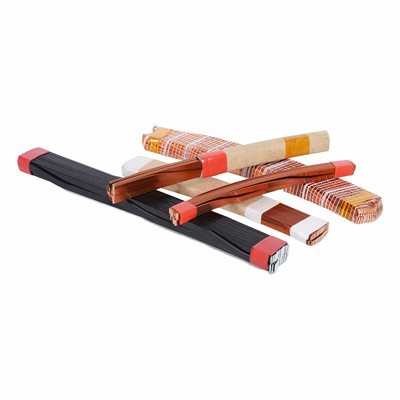
If you’re a speaker builder, hobbyist, or just someone who wants better sound from your system, I can help you find the right enamel wire for your project. We work with everyone from small custom shops to big audio brands, and we can help you pick the gauge and insulation type that fits your exact needs—whether you’re building a tiny Bluetooth speaker or a high-end studio monitor. Don’t sleep on the wire that makes your speakers sound good; reach out to us to chat about your requirements, and we’ll make sure you get the right enamel wire for the best possible audio performance.
Enamel Wire References
- IEEE Transactions on Industrial Electronics, Vol. 62, No. 11, 2015, "Thermal Performance of Enameled Magnet Wires in High-Frequency Applications"
- Journal of the Audio Engineering Society, Vol. 60, No. 10, 2012, "Voice Coil Conductor Materials and Their Impact on Transient Response"
- Magnet Wire Manufacturers Association, 2023 Technical Bulletin, "Enameled Wire Properties for Speaker Voice Coils"
- Custom Speaker Builder Quarterly, 2022, "Underrated Components: The Role of Magnet Wire in Speaker Sound Quality"
- Polyimide Insulation Materials Handbook, 2021, "Rigidity and Signal Loss in Thin Polymer Coatings for Audio Applications"
Tianjin Jingwei Power Technology Co., Ltd.
As one of the most professional enamel wire manufacturers and suppliers in China, we’re featured by quality products and good service. Please rest assured to buy durable enamel wire made in China here from our factory. Contact us for more details.
Address: No.1 Chuangxin Rd. Xiaozhan Industrial Park, Jinnan District, Tianjin, China
E-mail: info@jwdc.cn
WebSite: https://www.jw-dcs.com/
