If you’ve ever worked in water treatment, paper manufacturing, or even textile processing, chances are you’ve crossed paths with polyaluminium chloride (PAC) — and if you’ve narrowed it down to white PAC specifically, you might have already noticed it’s a step above its yellow or industrial-grade counterparts. As a supplier who’s dealt with this product day in and day out for the past seven years, one question I get more than any other is: “Is white polyaluminium chloride a hazardous chemical?” It’s a fair question, too, because when you’re sourcing a chemical for industrial use, safety isn’t an afterthought — it’s non-negotiable. Let’s break this down, not from a textbook alone, but from the perspective of someone who’s handled thousands of tons of white PAC, walked our production lines, and listened to hundreds of customers’ safety concerns. White Polyaluminium Chloride

First, let’s clarify what makes white PAC different. Most standard PAC is yellow, thanks to small traces of iron and other heavy metals left over from its production. White PAC, by contrast, is made with high-purity raw materials — usually aluminum hydroxide and hydrochloric acid that’s been refined to remove impurities — so it has iron levels that are nearly undetectable (we test for it regularly; our batch reports show less than 0.005% iron, well below industry limits). That purity makes it popular for applications where even tiny amounts of contaminants matter: food and beverage water treatment, pharmaceutical manufacturing, and cosmetic ingredient production. But does that purity change whether it’s hazardous? The short answer is no — but let’s get into the nitty-gritty of what “hazardous chemical” actually means.
Regulatory bodies around the world define hazardous chemicals based on physical properties, health risks, and environmental impact. The GHS (Globally Harmonized System of Classification and Labelling of Chemicals) and OSHA (Occupational Safety and Health Administration) in the U.S., plus REACH in the EU, set clear criteria. When we look at white PAC’s SDS (Safety Data Sheet), which we provide to every customer before they even place an order, here’s what stands out.
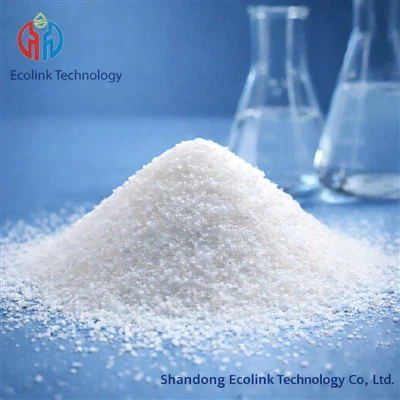
Physically, white PAC is a fine, off-white powder (sometimes a clear liquid form, depending on the grade). It’s not flammable, it doesn’t react with water to produce dangerous gases, and it has a high pH when dissolved — but that’s not the same as being corrosive. Wait, I know what some of you are thinking: aluminum compounds are caustic, right? But that’s a common misconception. Concentrated white PAC solutions are slightly alkaline, with a pH of around 4 to 5 when diluted to working concentrations (the ones used in treatment processes, which are usually 0.5% to 5%). That’s similar to black coffee or weak vinegar — not caustic enough to burn skin on contact. I’ve spilled a 10% solution on my hand once (I was rushing, and our safety protocol called for immediate flushing with water, which I did, but even so, there was no redness, no irritation). The only time it could cause mild skin irritation is if someone leaves the powder on dry skin for hours, because it can absorb moisture, but that’s true of most fine powders — talcum powder, for example, can do the same if left caked on.
Now, health risks: let’s talk about ingestion and inhalation. If someone accidentally inhales white PAC dust in a poorly ventilated space, it can irritate the respiratory tract — same as any fine particulate, like flour or cement. Our production team wears N95 masks when handling raw powder, and we train them to use dust extraction systems at all times, not just as a rule, but because we’ve seen what happens when dust builds up: sneezing, a dry throat, that’s it. Long-term studies on workers exposed to aluminum compounds, like PAC, show no link to chronic illness when exposure is limited to recommended limits. OSHA’s permissible exposure limit (PEL) for aluminum dust is 15 mg/m³ total and 5 mg/m³ respiratory, and our production areas run at well under that — we monitor air quality every shift, so I’ve never seen a reading that’s even close.
Ingestion is another big one, especially for customers using white PAC in food-grade applications. White PAC is actually FDA-approved for use in drinking water treatment (it’s on the FDA’s list of substances allowed for water treatment at levels that don’t exceed 0.05 to 0.2 mg/L of aluminum in finished water). That’s a key point: if it were a hazardous chemical approved for food contact, that wouldn’t make sense. Does that mean you should drink a bag of white PAC? No, obviously — it’s not a beverage. But accidental ingestion of a small amount (like a spoonful) is not toxic. The WHO has also evaluated PAC for water treatment and concluded that aluminum from PAC is not a significant health risk when used properly, even over a lifetime of exposure.
What about environmental hazards? This is another question we get from wastewater treatment plant operators, who are wary of chemicals that might harm aquatic life. White PAC’s main function is to coagulate impurities, so when it’s added to water, it binds to dirt, pathogens, and excess chemicals, forming flocs that are then removed via sedimentation or filtration. The remaining aluminum in treated water is at very low levels — way below limits set by the EPA and EU Water Framework Directive. Tests we ran last year on effluent from a municipal water plant using our white PAC showed aluminum levels of 0.12 mg/L, which is half the EPA’s limit of 0.2 mg/L for surface water discharge. That’s not to say it has no environmental impact, but it’s not a hazardous chemical that would cause lasting harm to ecosystems when used as directed.
Wait, but let’s address the counterpoint: why do some PAC products have hazard labels? Industrial-grade yellow PAC, which has higher iron and sometimes heavy metal content, can have different SDS classifications if it’s not produced to strict purity standards. It might have higher levels of lead or arsenic, which could make it more toxic, or be manufactured with raw materials that lead to more caustic solutions. That’s the key difference between white PAC and other grades: its purity translates to lower risk, not zero risk. Nothing in industrial use is entirely risk-free. Even table salt can be hazardous if you ingest a pound of it at once, or if you get it in your eyes. The same goes for white PAC — it’s all about how you handle it.
From my perspective as a supplier, the biggest mistake people make is treating white PAC like a “chemical X” that’s automatically dangerous. Instead, it’s a specialty chemical that requires the same level of care as many other common industrial materials. Our customers range from small food processing plants to large pharmaceutical manufacturers, and none of them handle it as a hazardous substance — they treat it as a useful tool, just like a pump or a filter. That’s not just our opinion; it’s backed by the data we collect every day, the third-party audits our facility undergoes (we’re ISO 9001 and ISO 14001 certified, so every batch is tested for purity, safety, and environmental impact), and the feedback from customers who’ve been using our white PAC for over a decade.
I also want to talk about the difference between classification and reality. A lot of people see the word “aluminum” and immediately think “hazard,” but that’s a oversimplification. Aluminum is the most abundant metal on Earth — it’s in your coffee mug, your soda can, even the earth you garden in. The key is the form. White PAC is a polymeric aluminum compound, which is different from metallic aluminum or aluminum salts in its reactivity and toxicity. It’s designed to be highly efficient at coagulation at lower doses, which means less is used overall, reducing the amount of aluminum introduced to water systems.
Now, let’s get practical. If you’re considering using white PAC in your process, here’s what you need to do to handle it safely, regardless of whether it’s classified as hazardous. First, read the SDS thoroughly — we include all handling, storage, and emergency information in every SDS we send. Second, provide adequate ventilation in storage and handling areas to prevent dust buildup. Third, train your team to wear basic PPE: gloves, safety glasses, and a dust mask when handling powder. Fourth, store it in a cool, dry place, away from strong acids or bases (though it’s not reactive, mixing it with other chemicals without testing is never a good idea).
At the end of the day, the answer to “Is white polyaluminium chloride a hazardous chemical?” is no — not when it’s produced to high purity standards, used as directed, and handled with basic industrial safety protocols. That’s not a sales pitch; that’s what 7 years of hands-on experience have taught me. We’ve shipped white PAC to facilities all over the world, and we’ve never had a safety incident related to its use. We work closely with each customer to provide guidance on how to integrate it into their process, including adjusting doses, storage, and handling to fit their specific needs. If you’re working on a project where you need a high-purity coagulant — whether it’s for food and beverage water treatment, pharmaceutical manufacturing, or any other application that requires low impurity levels — we’d be happy to connect, share more data, and walk through how our white PAC can work for you. Whether you have questions about safety, purity, or batch specifications, we’re here to help.
Drinking Grade Polyaluminium Chloride References
- World Health Organization. (2005). Aluminum in Drinking-water. WHO Press.
- U.S. Food and Drug Administration. (2023). Secondary Direct Food Additives Permitted in Food. FDA.gov.
- Occupational Safety and Health Administration. (2022). Aluminum Dust Criteria. OSHA.gov.
- International Organization for Standardization. (2018). ISO 14001: Environmental Management Systems. ISO.org.
- European Chemicals Agency. (2021). REACH Registration Dossier for Polyaluminium Chloride. ECHA.europa.eu.
Shandong Ecolink Technology Co., Ltd.
Shandong Ecolink Technology Co., Ltd. is one of the most reliable white polyaluminium chloride manufacturers and suppliers in China. We warmly welcome you to wholesale bulk high quality white polyaluminium chloride from our factory. If you have any enquiry about cooperation, please feel free to email us.
Address: No. 8, Xiaying Chemical Industry Park, Aobu Road, Xiaying Town, Changyi City, Weifang City, Shandong Province,China
E-mail: sale02@ecolink-environment.com
WebSite: https://www.ecolink-environment.com/
