Yo, fellow industry peeps! As a supplier of PVC suction pipes, I often get asked if our pipes can handle sucking up abrasive materials. It’s a fair question, ’cause not all suction pipes are created equal, and abrasive stuff can really put a pipe to the test. So, let’s dig into this topic and see if PVC suction pipes are up for the task. PVC Suction Pipe
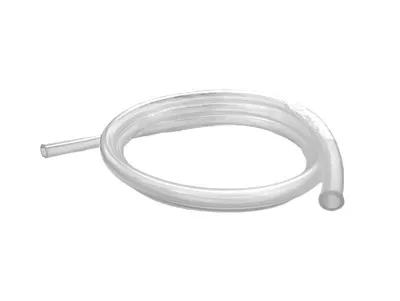
First off, let’s talk about what PVC is. PVC stands for polyvinyl chloride. It’s a type of plastic that’s been around for ages. You see it everywhere – in plumbing, in construction, and yeah, in suction pipes. PVC is known for being affordable, lightweight, and fairly easy to work with. It’s also resistant to a lot of chemicals, which is a plus in many industrial settings.
Now, when we’re talking about abrasive materials, we’re looking at stuff like sand, gravel, slag, and even some types of minerals. These materials are pretty rough on pipes. As they’re sucked through, they scrape against the inside walls of the pipe. Over time, this scraping can wear down the pipe, causing it to leak or even break. So, the big question is, can PVC stand up to this kind of abuse?
Well, the answer isn’t a simple yes or no. PVC has some strengths that make it a potential candidate for abrasive material suction. For starters, modern PVC formulations are pretty tough. They’ve been engineered to be more durable than the PVC of yesteryears. The outer layer of a good – quality PVC suction pipe is often quite thick and resilient. This means it can withstand a certain amount of friction without immediately giving way.
Another advantage of PVC is its smooth interior. A smooth interior reduces the amount of turbulence as the abrasive material travels through the pipe. Less turbulence means less chance of the material getting stuck and causing excessive wear. And when the material can flow smoothly, it’s less likely to grind against the pipe walls for an extended period.
However, PVC also has its limitations. One of the biggest drawbacks is its relatively low abrasion resistance compared to some other materials. Metals like steel or certain alloys can handle a lot more wear and tear from abrasive materials. Over time, even if the PVC pipe has a thick outer layer, the constant rubbing from sand or gravel can start to eat away at it. Small cracks and pits can form, which can lead to leaks.
The type of abrasive material also matters a lot. If you’re dealing with very fine sand, the PVC pipe might hold up okay for a while. But if you’re sucking up large chunks of gravel or sharp – edged slag, the pipe’s lifespan will be significantly shorter. The hardness and shape of the material play a huge factor in how quickly it will damage the PVC.
Then there’s the issue of temperature. PVC isn’t the best at handling extreme temperatures. In high – temperature environments, it can become softer and more susceptible to damage from abrasive materials. And in very cold temperatures, it can become brittle, which means it might crack more easily when faced with the stress of sucking up abrasive stuff.
But hey, just because PVC has its limitations doesn’t mean it can’t be used at all for abrasive material suction. In some cases, it can be a cost – effective solution. For small – scale operations or temporary jobs, a PVC suction pipe might do the trick. For example, if you’re doing a one – time clean – up of sand from a small construction site, a PVC pipe could be a budget – friendly option.
If you’re considering using PVC suction pipes for abrasive material suction, there are some things you can do to increase their lifespan. First, make sure you’re using the right diameter of pipe. A pipe that’s too small can cause the material to move too quickly, increasing the abrasion. And a pipe that’s too large might not create enough suction, which can also lead to the material settling and causing wear.
You can also use pipe liners or sleeves. These are like protective coatings that sit inside the pipe and take the brunt of the abrasion. They can be made from more abrasion – resistant materials like rubber or polyurethane. Installing a liner can significantly extend the life of your PVC suction pipe.
Regular maintenance is also key. Inspect your pipes regularly for signs of wear, like thin spots or small cracks. If you catch these issues early, you can replace the pipe or make repairs before it fails completely.
In conclusion, PVC suction pipes can be used for abrasive material suction, but it depends on the situation. They’re not the best option for heavy – duty, long – term use with extremely abrasive materials, but they can work well in some scenarios. If you’re on a tight budget or need a quick fix for a small job, PVC might be the way to go.
If you’re interested in learning more about our PVC suction pipes or how they can work for your specific abrasive material suction needs, don’t hesitate to reach out. We’re here to help you find the best solution for your project. Whether you need advice on pipe selection, installation, or maintenance, our team of experts is at your service. Get in touch with us to start the conversation about how our PVC suction pipes can meet your requirements.
Flat Hose References:
- ASTM standards on PVC pipe specifications
- Industry reports on the performance of different suction pipe materials in abrasive applications
Weifang Xinzhiyuan Plastic Co., Ltd.
As one of the most experienced pvc suction pipe manufacturers and suppliers in China, we offer a wide range of products with superior quality. Please feel free to wholesale premium pvc suction pipe made in China here from our factory. We also accept customized orders.
Address: No. 700, Tongle Street, Economic Development Zone, Changle County, Weifang City, Shandong Province
E-mail: hua@xzypvchose.com
WebSite: https://www.pvchose-xzy.com/
