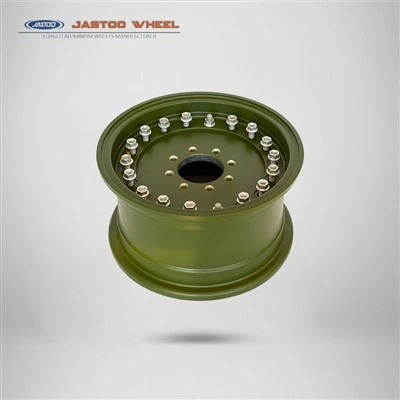
Off-road Wheels Hey everyone, it’s Jake here, one of the guys over at our off-road wheels supplier shop, and today we’re tackling a question I get literally every single day from new off-roaders and even some seasoned trail vets: do off-road wheels need an alignment after you slap ‘em on? Let’s cut through the chaos of the internet’s conflicting takes—yes, some guys on TikTok swear it’s a must, others say they never do it and their truck’s fine. I’m gonna break this down like we’re chatting over a cold soda after a long trail run, no fancy jargon, just real-world stuff we deal with here every time someone orders a set of our wheels. First off, let’s keep it real: when you’re not just swapping road wheels for another set of road wheels, off-road is a whole different beast. Road wheels are built for smooth pavement, same specs every time, but off-road wheels? They take a beating—rocks, mud, deep ruts, you name it. So when you bolt on new off-road wheels, whether it’s steelies for a hardcore crawler or alloy beadlocks for your daily-driven trail rig, there’s more going on than just “hand tight and go.” Let’s start with the basics of wheel installation first, ‘cause a lot of folks skip the small steps that lead to alignment issues down the line. When you remove old wheels, you’ve got that hub with all the old lug nut torque—usually around 80-100 ft-lbs for most trucks, right? But when you put on our wheels, especially if you’re going from a different backspacing or bolt pattern? Wait, backspacing is huge here. If you’ve never messed with backspacing, it’s the distance from the wheel’s mounting pad to the inner edge of the wheel, and it determines how far the wheel sits from your truck’s frame, control arms, all that good stuff. If you get backspacing wrong, even by a quarter inch, your wheel’s not centered on the hub perfectly. Most off-road wheels are precision-machined, but here’s the thing: your truck’s hub isn’t always 100% centered either. Over time, even on stock setups, hubs can wear a tiny bit, especially if you’re slamming over logs or backing into curbs on the way to the trailhead. So when you mount a new wheel, if the hub has a little wear, that perfect wheel center might not line up exactly, which throws off your toe and camber—those are the alignment angles, right? Toe is how much the front wheels point in or out when you look at ‘em from the top, camber is how much they tilt in at the top. On road cars, those angles are super precise for fuel efficiency and tire wear, but off-road? They’re a little more forgiving, but not if you’re putting on new wheels. Wait, let’s talk about when it’s actually necessary, versus when you can get away without it. If you’re just swapping out a damaged stock wheel for an exact same replacement? Chances are, you won’t need an alignment. But if you’re changing wheel size, backspacing, bolt pattern—like going from 16” stock steel wheels to 17” beadlocks with different backspacing—then yeah, that alignment check is non-negotiable. Here’s a story from last month: a kid ordered our 15×10 steel beadlocks for his first-gen Tacoma, went to his buddy’s garage, cranked the lugs on, and hit the trails. He texted us three days later saying his truck was pulling hard to the left, and his new tires were wearing weird on the inner edge. Turned out, he changed backspacing by almost a full inch, so the toe was off by like two degrees—enough to make it veer and wear tires fast. We told him to take it to a local alignment shop that does off-road stuff, not just street cars, and that fixed it. He ended up ordering a second set for his rear, and we’ve been chatting ever since about trail builds. Another thing: lug nut torque. I see guys use their impact wrench on max, crank the lugs so tight they strip the wheel’s lug holes (which are way softer than stock steel, by the way—aloy wheels especially), or too loose, and when you hit a big rock, the wheel shifts just a tiny bit. That shift moves the alignment angles, even if you didn’t change the wheel size at all. We always tell every customer when they get their wheels from us: torque lugs in a star pattern to the spec in your truck’s manual, not just as tight as you can go. That’s a big one—over-torquing can warp the wheel’s mounting pad, under-torquing lets it move. Now, what about when you’re on the trail and you bend a wheel? That’s a super common off-road thing, right? Hit a boulder hard, bend the rim edge, that throw the wheel out of true. But when you replace that bent wheel with a new one from us, even if it’s same size and backspacing, the old hub might have shifted. Wait, no—bent wheel is a separate thing, but installing a new wheel to a slightly worn hub is still the main culprit here. Let’s get into the science a little, ‘cause I don’t want you thinking this is just bro-science. Wheel alignment for off-road is about more than just making your truck drive straight on the way to the trail. When your toe is off, you’re fighting the steering wheel every time you hit a rock, which is dangerous, and tire wear? Off-road tires are expensive—we sell sets for $800+, so you don’t want ‘em wearing out in six months ‘cause your alignment’s messed up. Camber off? Your wheel tilts, so only part of the tire is touching the ground when you’re crawling over obstacles, which makes your rig less stable. That’s a big deal for safety, not just looks. Now, let’s bust a myth I hear all the time: “Off-road is bumpy, so alignment doesn’t matter.” Dude, that’s backwards. The bumps and ruts and impacts are exactly why alignment matters more for off-road. When you’re taking a 2-foot drop over a ledge, or sliding through a mud hole, the last thing you want is your wheel pointing the wrong way, making you spin out into a tree. We’ve had customers tell us they skipped alignment and went on a trail run, came back with a bent control arm ‘cause their wheel was pulling wrong when they hit a steep climb. Not worth it, trust me. Now, when should you actually skip it? If you’re doing a temporary trail setup—like, you’re only swapping wheels for a weekend run with friends, not driving it on the road at all. Wait, but even then, if you’re driving it on the road to get to the trail, that counts. So only time we’d say “skip it” is if it’s a fully off-road only rig, no street driving, and you just slapped on a same-size, same-backspacing wheel. But even then, do a quick check: get under the rig, spin each front wheel, see if there’s any wobble, look at the lugs to make sure they’re torqued evenly. That’s a quick 5-minute check that can save you a headache. Another point: most alignment shops don’t do off-road alignments, right? Wait, no—more like, a lot of shops only do stock street truck alignments, which don’t account for lifted trucks or big wheels. If your rig’s lifted 3 inches or more, the alignment angles are different than stock, so you need a shop that specializes in off-road. That’s a tip we give all our customers: when you need an alignment, find a shop that knows lifted trucks and big off-road wheels, not just the guy down the street who does Hondas and Civics. They’ll adjust the angles properly for your setup, not just the stock defaults. Let’s talk about our own process here at the shop, since we’re off-road wheel experts. Every wheel we ship gets a quick quality check: we spin it on our test hub, check for runout (that’s the wobble when it spins), make sure the mounting pad is flat, backspacing is within 0.05 inches of what we list. But even with that, when it gets to your rig, the hub’s wear, the way you torque lugs, even the type of lug nuts you use (conical vs. ball seat) can throw things off. Conical lug nuts are the most common for off-road, right? They seat into the wheel’s lug holes, but if you use the wrong size, they don’t seat right, which makes the wheel shift a little. That’s another little thing people miss. Last year, we had a group of guys do a trail build day, installed 4 of our alloy wheels, used some cheap lug nuts they had lying around, and three days later, two of the wheels had noticeable toe misalignment. Turns out the lug nuts were too small for the wheel’s lug holes, so they weren’t seating properly. They replaced ‘em with the right ones, got an alignment check, and haven’t had issues since. What about bigger mods, like lift kits? If you’re lifting your truck at the same time you’re installing new wheels, then alignment is definitely required, ‘cause lift kits change the control arm length, which changes how the wheels sit. But even if you’re just doing wheels, not a lift, that same hub and wheel alignment applies. Let’s wrap this up with some actionable stuff you can do, no matter what kind of off-road rig you have. First: before you install new wheels, check your current alignment. If you had no steering pull or weird tire wear on your old wheels, that’s your baseline. When you install new wheels, tighten lugs in star pattern to spec, spin each wheel to check for wobble, then after 50 miles of driving (especially off-road), go re-torque the lugs—off-road, lugs can settle that first 50 miles. Then, if you notice any pulling, steering vibration, or uneven tire wear, get an alignment. Even if you don’t notice anything, it’s a good idea to get a quick alignment check after the first trail run, ‘cause that’s when the first big impacts happen, which can shift things a little. Now, if you’re in the market for new off-road wheels, reach out to us—we’ve got steelies, beadlocks, alloy wheels, all kinds for crawlers, trucks, UTVs, whatever you’re building. We don’t just sell wheels; we’ve been off-roaders for years, so we know the ins and outs of installation, alignment, all that stuff, and we’re happy to answer questions, hook you up with the right setup for your rig, or point you to alignment shops in your area that know off-road builds. Just hit us up whenever you’re ready to chat about your next wheel project. Wait, let’s make sure I didn’t miss anything. Is there a case where off-road wheels definitely don’t need alignment? Only exact same replacement wheels, no other mods, no lifting, no changing backspacing or wheel size. Any other time, even a slight change, you should at least check. I’ve seen guys put on wheels and go for a year without an alignment and their tires were half worn out ‘cause of toe misalignment—off-road tires aren’t cheap, that’s money out of your pocket. Also, steering pull isn’t just annoying, it’s unsafe when you’re on a trail with loose rocks or steep hills. Yeah, that’s the big stuff. At the end of the day, off-road wheels are made to take a beating, but they work best when they’re set up right. Alignment isn’t some fancy trick the street shops make you pay for—it’s a necessary step to make sure your wheels perform the way they should, keep you safe, and save you money on tires in the long run. Alright, that’s my take on it. If you’ve got more questions, or you’re ready to order wheels for your next build, don’t hesitate to reach out. References: 1. Off-Road Wheel Alignment Best Practices, 4-Wheel & Off-Road Magazine, 2022 2. Wheel Mounting and Torque Specifications, Tire Industry Association, 2023 3. Effects of Hub Wear on Wheel Alignment, SAE International Journal of Commercial Vehicles, 2021 Off-road Wheels

QHD New Light Vehicle Engineering & Technology Co., Ltd.
QHD New Light Vehicle Engineering & Technology Co., Ltd. is one of the most professional off-road wheels manufacturers and suppliers in China, specialized in providing the best customized service. If you’re going to buy or wholesale high quality off-road wheels with competitive price, welcome to get quotation from our factory.
Address: No.16 Songhuajiang Road, Development Zone, Qinhuangdao City, Hebei, China
E-mail: sales@gftwheel.com
WebSite: https://www.jastooforgedwheel.com/
