In the pursuit of sustainable and energy – efficient buildings, insulation plays a crucial role. As a supplier of specific thickness insulation boards, I’ve witnessed firsthand how these products can transform a building’s energy performance. In this blog, I’ll delve into how the specific thickness of insulation boards affects a building’s energy efficiency rating. Specific Thickness Insulation Boards

Understanding Energy Efficiency Ratings in Buildings
Before we discuss the impact of insulation board thickness, it’s essential to understand what energy efficiency ratings are. Energy efficiency ratings are a measure of how well a building uses energy. They take into account various factors such as heating, cooling, lighting, and ventilation. A higher rating indicates that the building consumes less energy to maintain a comfortable indoor environment, resulting in lower energy bills and reduced environmental impact.
One of the most common metrics used to assess a building’s energy efficiency is the Energy Performance Certificate (EPC) in the UK and similar rating systems in other countries. The EPC provides a rating from A (most efficient) to G (least efficient), based on factors like the building’s fabric, heating system, and renewable energy sources.
The Role of Insulation in Energy Efficiency
Insulation acts as a barrier to the transfer of heat. In cold climates, it prevents heat from escaping the building; in warm climates, it stops heat from entering. This reduces the need for excessive heating or cooling, thereby lowering energy consumption.
Specific thickness insulation boards are designed to provide a specific level of thermal resistance, known as the R – value. The R – value is a measure of a material’s ability to resist heat flow. The higher the R – value, the better the insulation performance.
How Thickness Affects the R – Value
The relationship between insulation board thickness and R – value is generally linear. As the thickness of the insulation board increases, the R – value also increases. For example, a 20 – millimeter thick insulation board might have an R – value of 1.0, while a 40 – millimeter thick board made of the same material could have an R – value of 2.0.
This increase in R – value with thickness is due to the fact that heat has to travel through a greater distance in the insulation material. The more material the heat has to pass through, the more difficult it is for the heat to transfer, resulting in better insulation.
Let’s look at a real – world example. Consider a residential building in a cold climate. If the exterior walls are insulated with a thin insulation board, say 25 millimeters, the heat inside the building will escape relatively quickly. The heating system will have to work harder to maintain a comfortable temperature, leading to higher energy consumption. On the other hand, if the same walls are insulated with a 100 – millimeter thick insulation board, the heat transfer will be significantly reduced. The heating system can operate more efficiently, consuming less energy and reducing costs.
Impact on Different Building Elements
The effects of specific thickness insulation boards vary depending on the building element they are applied to.
Walls
Exterior walls are a major source of heat loss or gain. Insulating walls with thicker insulation boards can have a substantial impact on a building’s energy efficiency. In a well – insulated wall, the temperature difference between the interior and exterior surfaces is minimized. This not only reduces energy consumption but also helps prevent condensation, which can lead to mold growth and structural damage.
For example, in a multi – storey apartment building, using thicker insulation boards on the exterior walls can reduce the overall energy consumption for heating and cooling. The energy efficiency rating of the building will improve, potentially leading to lower energy bills for the residents and a more sustainable building operation.
Roofs
Roofs are another critical area for insulation. Heat can escape through the roof in the winter and enter in the summer. A thick insulation board on the roof can significantly reduce this heat transfer. In a commercial building with a large flat roof, installing a 150 – millimeter thick insulation board can reduce the heat gain during the summer months. This means the air – conditioning system doesn’t have to work as hard, resulting in energy savings and an improved energy efficiency rating.
Floors
Insulating floors, especially those in contact with the ground, is also important. Thicker insulation boards under a floor can prevent heat from being lost into the ground. In a modern house with a concrete slab foundation, using a 50 – millimeter thick insulation board beneath the slab can reduce the heat loss through the floor. This contributes to a more energy – efficient building and can make the living spaces more comfortable.
Regulatory Requirements and Energy Efficiency Ratings
Building regulations around the world are increasingly emphasizing energy efficiency. Many countries have set minimum insulation requirements for new buildings and renovations. These requirements often specify the minimum thickness and R – value of insulation boards that must be used in different parts of the building.
Complying with these regulations is not only a legal requirement but also a way to improve a building’s energy efficiency rating. For example, in some European countries, new residential buildings are required to have a certain level of insulation in the walls, roof, and floors to achieve a minimum EPC rating. Using our specific thickness insulation boards that meet or exceed these standards can help building owners and developers meet these requirements and enhance the building’s energy performance.
Cost – Benefit Analysis of Thicker Insulation Boards
While thicker insulation boards generally offer better energy efficiency, there is also a cost associated with them. Thicker boards are usually more expensive than thinner ones, and the installation costs may also be higher. However, it’s important to consider the long – term cost benefits.
The energy savings over the life of the building can far outweigh the initial investment in thicker insulation boards. For example, if a building owner spends an additional $5,000 on thicker insulation boards but saves $1,000 per year on energy bills, the investment will pay for itself in just five years. After that, the building will continue to save energy and money, while also having a higher energy efficiency rating.
Case Studies
Let’s look at some case studies to illustrate the impact of specific thickness insulation boards on building energy efficiency ratings.
Case Study 1: A Residential Renovation
A homeowner in a cold climate decided to renovate their old house. They initially planned to use a 50 – millimeter thick insulation board for the exterior walls but decided to upgrade to a 100 – millimeter thick board. After the renovation, an EPC assessment was carried out. The energy efficiency rating of the house improved from a D to a B. The homeowner reported a significant reduction in their heating bills, and the house felt more comfortable throughout the winter.
Case Study 2: A Commercial Office Building
A commercial office building was constructed with a 75 – millimeter thick insulation board on the roof. However, during the first summer, the air – conditioning system was struggling to keep the building cool, and the energy consumption was high. The building management decided to add an additional 50 – millimeter thick insulation board on top of the existing one. After the retrofit, the energy efficiency rating of the building improved, and the air – conditioning costs were reduced by 20%.
Conclusion and Call to Action
In conclusion, the specific thickness of insulation boards has a profound impact on a building’s energy efficiency rating. By choosing the right thickness, building owners and developers can reduce energy consumption, lower costs, and create more sustainable buildings.
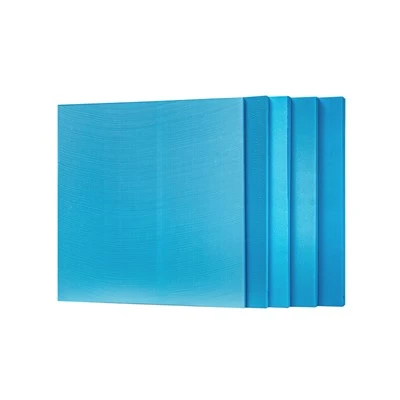
As a supplier of specific thickness insulation boards, I’m committed to providing high – quality products that meet the diverse needs of our customers. Whether you’re working on a small residential project or a large commercial development, our insulation boards can help you achieve your energy efficiency goals.
Insulation Board If you’re interested in learning more about our specific thickness insulation boards or would like to discuss a potential project, I encourage you to reach out. We can provide you with detailed product information, technical support, and help you make the best choice for your building’s energy efficiency.
References
- Building Research Establishment (BRE). "Energy Performance of Buildings: A Guide to Good Practice."
- International Energy Agency (IEA). "Energy Efficiency in Buildings: Policies and Measures."
- National Institute of Standards and Technology (NIST). "Thermal Insulation Materials: Properties and Performance."
Wenzhou Lejia Energy-saving Material Co., Ltd.
As one of the leading manufacturers and suppliers of specific thickness insulation boards in China, we’re featured by quality products and good service. Please rest assured to buy advanced specific thickness insulation boards for sale here from our factory. We also accept customized orders.
Address: Block A, No. 128 Changxiu Road, Lingkun Subdistrict, Wenzhou Marine Economy Development Demonstration Zone, Zhejiang Province, China.
E-mail: luckyfoam@vip.163.com
WebSite: https://www.lfxps.com/
